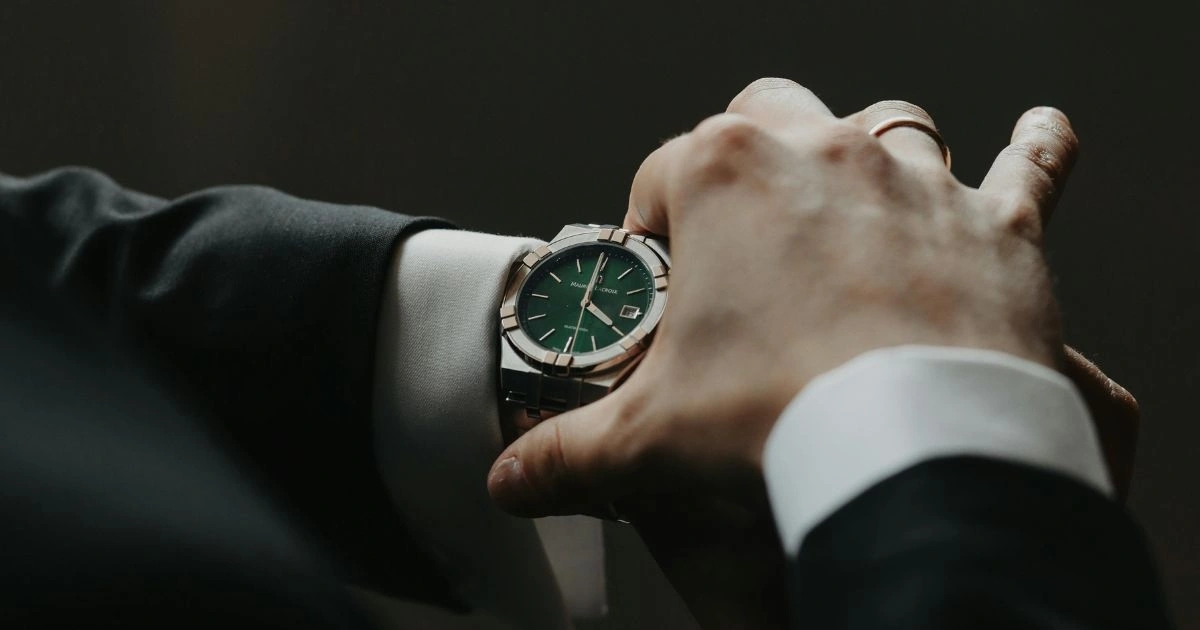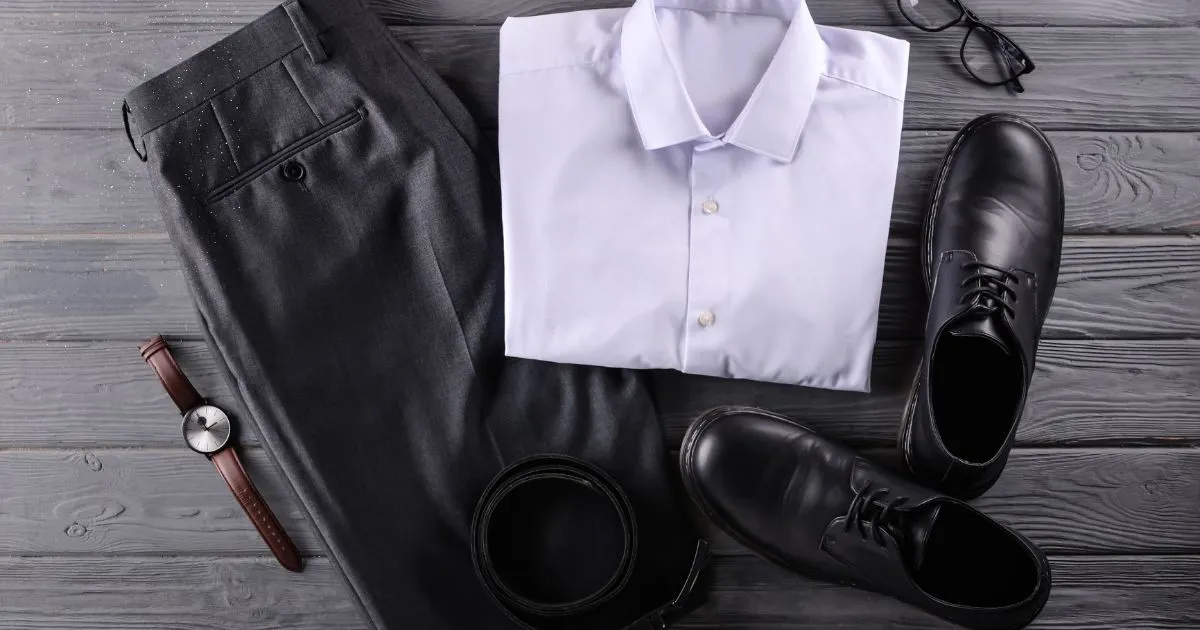
This guide explains everything you need to know about men’s watch care, from daily cleaning routines to professional servicing and storage recommendations. It includes practical tips, examples of products and accessories that support long-term watch health, and advice for various watch types, including mechanical, quartz, and smartwatches. With the right approach, you can ensure your timepiece remains reliable, beautiful, and ready for every moment.
Understanding Different Watch Types
Before diving into specific care routines, it helps to understand the main types of watches and how maintenance requirements differ:
Quartz Watches
Batteries power quartz watches and use electronic oscillation regulated by a quartz crystal. These watches tend to require less maintenance than mechanical watches, but they still need regular care to avoid battery failures and to maintain water resistance. Typical maintenance includes battery replacement every few years and occasional gasket checks for water-resistant models.
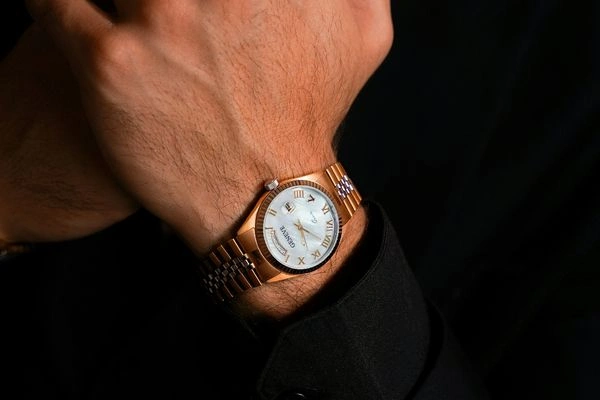
Mechanical Watches
Mechanical watches are powered by intricate assemblies of gears and springs. They may be manual or automatic. Manual models require winding, while automatic watches wind themselves through wrist movement. These watches benefit from regular servicing to keep their internal components well-lubricated and functioning with precision.
Smartwatches
Smartwatches combine electronics and sensors. Care for these devices often focuses more on software maintenance, screen protection, and battery health than mechanical calibration. Software updates and cleaning charging ports are important aspects of smartwatch care.
Daily Cleaning And Handling
Routine cleaning and gentle handling are foundational steps for long-term watch care.
Clean Your Watch Regularly
Watches are exposed to dust, sweat, oils, and environmental debris every day. Regular cleaning helps keep the case, bracelet, and crystal free from buildup that can dull the finish or interfere with moving parts. Use a soft, lint-free microfiber cloth to gently wipe down your watch after wearing it to remove surface oils and dust. For metal bracelets, use a soft brush with mild soapy water to reach into crevices, but always ensure the crown is securely closed first.
Handle With Clean, Dry Hands
Before adjusting or wearing your watch, make sure your hands are clean and dry. Oils, lotions, and moisture from your skin can transfer onto the case and strap, leading to stains or corrosion over time. Gentle handling also reduces the chance of scratches or accidental knocks that can affect both appearance and internal mechanics.
Wipe Leather Straps Carefully
Leather straps add style but are sensitive to moisture and sweat. Keep them dry and clean them gently using a soft cloth. If necessary, apply a leather conditioner occasionally to keep it supple and prevent cracking. Avoid abrasive detergents or prolonged exposure to humidity and sunlight.
Protecting Your Watch From Damage
Great care goes beyond cleaning. Watches are delicate instruments, and many factors from daily wear can impact their performance and longevity.
Avoid Extreme Temperatures
Exposure to extreme heat or cold can impact a watch’s internal lubrication and battery life. Excess heat can cause gaskets to degrade faster and potentially compromise water resistance. Cold can thicken lubricants inside mechanical movements and reduce accuracy. Try to avoid exposing your watch to direct sunlight for long periods and keep it away from heat sources like radiators or hot vehicle dashboards.
Steer Clear Of Magnetic Fields
Magnetic fields can severely disrupt the accuracy of mechanical watches and can also affect quartz movements. Everyday electronics such as smartphones, laptops, speakers, and medical devices can carry magnetic fields strong enough to impact a watch’s movement. Store your watch away from these sources when not in use.
Protect Against Water Damage
Even water-resistant watches have limits. Always verify your watch’s water resistance rating before exposing it to any moisture. Watches rated for splashes or handwashing should not be worn for swimming or diving. Have the water resistance seals checked regularly, particularly if your watch is often exposed to water. After exposure to saltwater or chlorine, flush the watch with clean water and ensure it is fully dried.

Avoid Chemicals And Harsh Cleaners
Perfumes, detergents, and cleaning products can damage watch materials and finishes. Apply colognes or lotions before putting on your watch to avoid residue buildup on metal or leather surfaces. Never use harsh chemicals or abrasive pads during cleaning, as this can strip protective coatings or scratch finishes.
Storing Your Watch Properly
When a watch is not on the wrist, good storage practices help prevent damage and preserve functionality.
Use Watch Boxes And Travel Cases
A watch box with soft interiors protects your timepiece from dust, scratches, and impacts. If you travel often, a padded travel watch case keeps watches secure and prevents them from bumping into other items during transit. Investing in quality storage tools ensures watches stay in top condition year-round.
Employ Watch Winders For Automatic Watches
Automatic watches rely on wrist movement to stay wound. If you own multiple automatic watches and rotate them frequently, a watch winder can keep them running when not worn regularly. A good winder keeps the movement lubricated and ready to wear without needing frequent adjustment.
Store In A Cool, Dry Environment
Heat and humidity can negatively affect watch materials and movement lubrication. Store your watches in a cool, dry area, protected from direct sunlight and moisture. Using silica gel packets in the storage area can help control humidity, especially for leather-strapped models.
Professional Servicing And Maintenance
Even with excellent daily care, professional servicing is vital for long-term performance.
Know When To Service
For mechanical and automatic watches, regular servicing every 3-5 years is generally recommended. During professional servicing, watchmakers clean internal components, replace worn parts, re-lubricate moving elements, and test water resistance. Quartz watches, though less mechanically complex, benefit from periodic checkups and battery changes every 1-3 years to prevent battery leakage.
Use Authorized Service Centers
Always choose authorized service centers or certified watchmakers, especially for high-end brands like Rolex, Omega, or TAG Heuer. These professionals have access to genuine parts, brand-specific tools, and technical know-how that help preserve your watch’s resale value and warranty protection.
Keep A Service History
Maintaining records of professional servicing helps track when your watch was last checked and what work was done. This documentation can be valuable for future servicing, resale, or insurance claims. Knowing your watch’s service history ensures maintenance intervals are not forgotten and supports consistent performance over time.
Tips For Specific Watch Materials
Different watch materials require tailored care to preserve their appearance and durability.
Metal Bracelets And Cases
Metal bracelets and cases can accumulate grime from daily wear. Clean metal surfaces with lukewarm water and mild soap using a soft brush, then dry thoroughly with a soft cloth. Avoid harsh cleaners or brushes with stiff bristles that could scratch stainless steel or gold finishes.
Leather Straps
Leather adds sophistication but is sensitive to moisture and wear. Wipe leather straps with a dry cloth after wearing and avoid exposing them to water. Applying a leather conditioner occasionally helps prevent cracking and keeps the material supple. Replace worn leather straps to maintain the watch’s look and comfort.
Crystal And Dial Care
The crystal covers the watch face and can be mineral glass, acrylic, or sapphire. Sapphire crystals are more resistant to scratches but are not indestructible. Gently wipe the crystal with a microfiber cloth to remove smudges and avoid contact with abrasive materials. A professional should address persistent dust or smudges under the glass.
Smartwatch Considerations
Smartwatches blend technology and timekeeping. Caring for them involves both physical and digital maintenance.
Update Software Regularly
Keeping your smartwatch’s software up to date improves performance, security, and battery efficiency. Software updates frequently provide enhancements and bug fixes to keep your device running smoothly.

Clean Sensors And Charging Ports
Dirt buildup on sensors or charging ports can lead to inaccurate readings or poor charging performance. Use a soft, dry brush to gently clean these areas, avoiding liquids that could damage electronics.
Battery Care
Smartwatch batteries degrade over time. Avoid leaving your device at full charge for long periods overnight, and keep battery levels between 20 and 80 percent when possible. Extreme temperatures can also impact battery health, so avoid exposing your smartwatch to very hot or cold conditions.
Essential Men’s Watch Care for Longevity
Proper care for a man’s watch ensures it remains precise, stylish, and dependable for years to come. From daily cleaning and mindful use to professional servicing and thoughtful storage, every step contributes to the long life of your timepiece. Understanding what your specific watch needs based on its type, materials, and movement helps you tailor your care routine for the best results. Watches are more than accessories; they are investments in craftsmanship and style. With informed care and regular attention, a quality watch can stay with you through countless moments and become a cherished part of your legacy.