Every man who shops for clothes has faced questions about value. Is that expensive jacket worth it? Will those jeans last more than a season? Is buying cheap stuff really saving money in the long run? These questions point to a concept that is transforming how many men think about clothing purchases. This concept, cost per wear, provides a clearer way to shop smarter by focusing on a garment’s real value rather than just its price.
Cost per wear helps men make intentional decisions about what they add to their wardrobe. Instead of reacting to sales or impulse buys, this guide provides a structured way to think about clothing investments. By the end, you will understand how to use cost-per-wear to build a wardrobe that is comfortable, stylish, long-lasting, and budget-friendly.
What Is Cost Per Wear
At its core, cost per wear is a simple equation. Divide the total price paid for an item by the number of times it is worn over its useful life to get the cost per wear. For instance, if a $100 jacket is worn 50 times, the cost per wear comes out to $2. This reveals that an initially more expensive item can actually deliver better value than a cheap item that is only worn a handful of times.
Understanding the cost per wear helps set realistic expectations. A garment that costs $20 but is worn only 5 times costs $4 per use, whereas a $200 piece worn 100 times costs just $2 per use. This calculation shows that higher upfront spending does not necessarily mean worse value if the item is actually used frequently.
This metric can be applied to shirts, pants, jackets, shoes, bags, and more. It goes beyond price tags to consider how much enjoyment and utility a piece provides over time.
AI-GENERATED IMAGE OF TEXT “COST PER WEAR” CENTERED ON A CLEAN WHITE BACKGROUND
Why Cost Per Wear Matters
Shopping smarter means prioritizing items that fulfill multiple needs. Cost per wear is valuable because it forces shoppers to consider long-term value rather than short-term satisfaction. Traditional shopping thinking often focuses on the lowest price or trendiness. Cost per wear shifts the focus to usability, versatility, and longevity.
Item durability is essential in this calculation. Clothes made from high-quality materials such as heavy cotton, wool blends, or premium denim tend to last longer and therefore deliver a lower cost per wear over time. Conversely, items that fall apart or go out of style quickly provide poor value even if they were inexpensive upfront.
In a world where more people are conscious of both budgets and sustainability, cost per wear connects financial sense with responsible consumption. By choosing garments that will be worn many times, shoppers reduce waste and avoid the cycle of buying low-quality items that quickly end up in landfills.
How To Calculate Cost Per Wear
Calculating cost per wear is straightforward. Follow these steps:
- Enter Total Cost: This includes the purchase price, taxes, tailoring, and, if high, care or maintenance costs.
- Estimate Number Of Times You Will Wear It: Be honest and realistic about how often you will use it.
- Divide Price By Wears: Cost per wear equals the total cost divided by the number of wears.
For example, a pair of quality chinos bought for $120 might be worn 80 times. That equals $1.50 per wear. In contrast, a fast-fashion shirt bought for $30 and worn only 10 times costs $3 per wear. Over time, that more expensive item is actually smarter financially because it gets more use.
This simple formula gives shoppers a new frame of reference when evaluating purchases. Many online calculators are available to automate this process if you prefer not to do the math yourself.
The Role Of Versatility In Cost Per Wear
A piece that can be worn in multiple settings is more likely to deliver a low cost per wear. Versatility means wearing an item with different outfits or for different occasions.
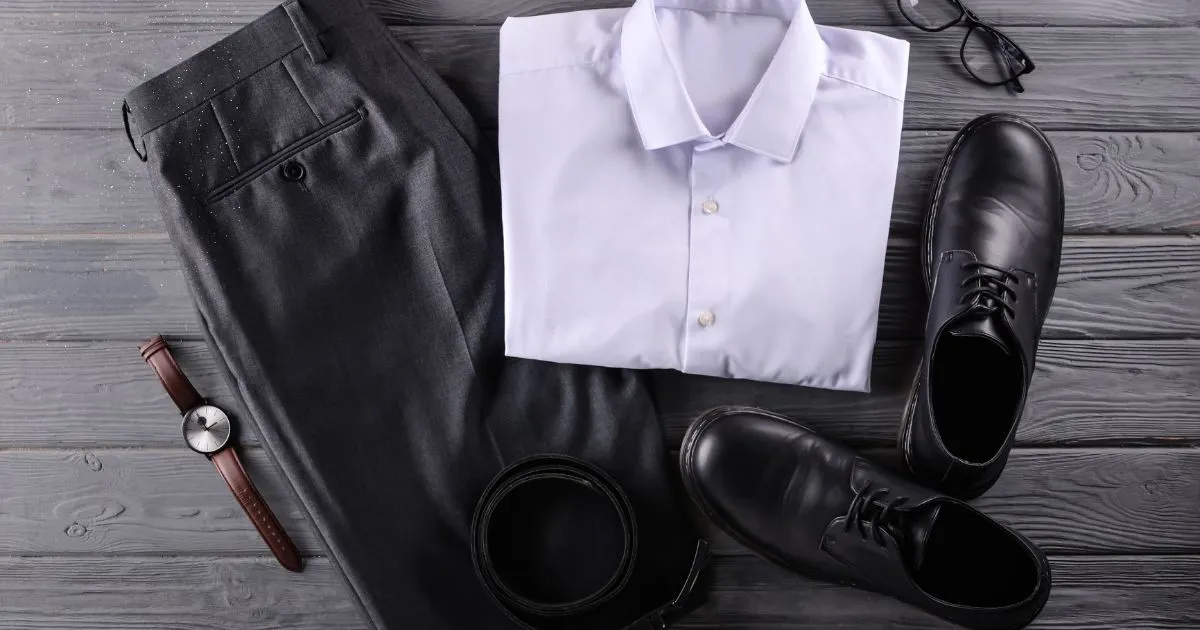
Classic white shirts are a perfect example. A plain white button‑down can be worn with jeans on weekends, chinos for business casual, or under a blazer for evening events. That means more wear and lower cost per wear.
Similarly, neutral chinos from brands like Bonobos or J.Crew can be dressed up or down. In general, chinos in navy, khaki, grey, or olive pair seamlessly with many tops. These kinds of pieces should be the backbone of a cost-per-wear strategy.
The principle of versatility also applies to outerwear. A classic field jacket or a well-made overcoat might be expensive, but when worn throughout multiple seasons or occasions, it reduces the cost per wear dramatically. Consider seasonal transitions and climate when choosing these items.
How Fit And Style Affect Cost Per Wear
An item you do not wear often because it does not fit well or match your style will never achieve a low cost per wear. Fit and style should influence purchasing decisions as much as price and material.
Investing in tailoring can improve both appearance and wearability. Tailored clothing feels more comfortable and looks intentional, encouraging more frequent use. If a jacket or pair of trousers fits perfectly, you are more likely to reach the number of wears needed to justify the cost. Tailoring is often much cheaper than buying a perfect fit off the rack and can drastically improve the cost per wear.
Style matters too. Choose classic silhouettes without overly trendy elements. A timeless piece will stay relevant longer, increasing the number of times you wear it. Trendy items can feel outdated after a season, reducing their value in a cost-per-wear calculation.

Recommended Brands And Pieces With High Value
Certain brands and products are known for delivering excellent value because the pieces are durable, versatile, and wearable in many settings.
Uniqlo is one such brand that frequently appears in consumer discussions for affordable, reliable basics. Its minimalist essentials, like Oxford shirts or well-made chinos, provide frequent use without high cost.
Mid-tier brands such as Bonobos, Arket, and J.Crew strike a balance between quality and price, making them strong options for everyday wear. These brands often use higher-quality fabrics and construction than fast-fashion alternatives, thereby increasing longevity.
For those willing to spend more on cornerstone wardrobe items, consider investment pieces from heritage brands, such as a wool overcoat or a classic blazer. These items can be worn year after year in multiple contexts, driving down cost per wear.
Another notable example is the rise of brands like COS, which focuses on timeless design and elevated basics. Such pieces may be priced higher than basic fast fashion, but their minimal aesthetic and high-quality materials are intended to last longer, increasing cost-effectiveness.
Balancing Quality And Price
Higher price does not always equal better value. A garment that costs $300 but is worn only 5 times has a poor cost-per-wear compared to a $100 piece worn 50 times. Conversely, a mid-priced, durable, regularly used item offers excellent long-term value.
Always assess whether the item fits into your everyday wardrobe. High-quality fabrics and good construction ensure durability, but they must align with your lifestyle.
Seasonal sales, outlet deals, and clearance events are opportunities to get high-quality garments at lower prices, improving cost per wear. Using discount codes, timing purchases around holidays, and shopping secondhand or vintage platforms can further reduce cost while maintaining quality.
Sustainable Shopping And Cost Per Wear
Sustainability and cost per wear often go hand in hand. Choosing garments that last longer means fewer replacements, which reduces environmental impact. Many shoppers now consider both the ecological and financial costs of clothing.
The Guardian recently reported that many consumers want to dress more sustainably but find some options too costly. Sustainable habits include buying durable items, repairing worn clothing, and choosing natural materials. These practices naturally drive a lower cost per wear because the item stays in the wardrobe longer.
Vintage and secondhand shopping are excellent strategies here. Pre-loved pieces from platforms like ThredUp or eBay can offer quality garments at lower prices. When worn regularly, these pieces deliver a great cost-per-wear and reduce environmental waste.
Common Mistakes And How To Avoid Them
Impulse purchases often result in poor cost-per-wear. Items bought on a whim for a trend or sale can become closet clutter if they do not get worn often. A simple check before purchase is to ask how many times you realistically expect to wear that item.
Another mistake is ignoring care instructions. A garment that requires expensive dry cleaning may cost more per wear once maintenance is factored in. Always consider care costs alongside purchase price.
Buying multiples of the same item without need can also inflate your wardrobe cost. Instead, focus on filling gaps with versatile pieces. Tracking wear frequency with apps or a simple wardrobe log can help identify which pieces are truly valuable.
How To Build A Low-Cost Per-Wear Wardrobe Systematically
A strategic approach to wardrobe building starts with essentials:
- Identify Core Basics: Invest in high-quality shirts, pants, outerwear, and shoes that you will reach for frequently. These pieces set the foundation for multiple outfits.
- Choose Versatile Colors: Neutrals like navy, grey, black, and khaki pair easily with other items, increasing outfit combinations and wear count.
- Tailor When Necessary: Often, a tailored, mid-priced item can outperform an off-the-rack, more expensive piece in terms of comfort and appearance.
- Track Your Wears: Make cost per wear meaningful by tracking how often you wear each item. This will shift your mindset and highlight true value.
- Prioritize Fit and Comfort: Even the best materials and the lowest cost per wear mean little if the garment is uncomfortable or ill-fitting.
Smart Shopping With Cost-Per-Wear For Men
Cost-per-wear is an essential tool for men who want a smarter wardrobe. It moves the conversation beyond price tags and into real value. By focusing on how often you wear something, how it fits into your lifestyle, and how versatile it is, cost-per-wear helps you buy with intention.
This approach supports both financial and sustainable shopping habits. Quality pieces that are worn often reduce long-term costs while avoiding waste. Investing thoughtfully in garments that you truly use results in a wardrobe that feels cohesive, functional, and stylish.
Adopting cost-per-wear thinking transforms shopping from impulse-oriented to thoughtful and efficient. The clothes you buy become dependable elements of your daily life rather than fleeting purchases. With the right strategy, you maximize comfort, style, and value in every wardrobe decision.